
⛪
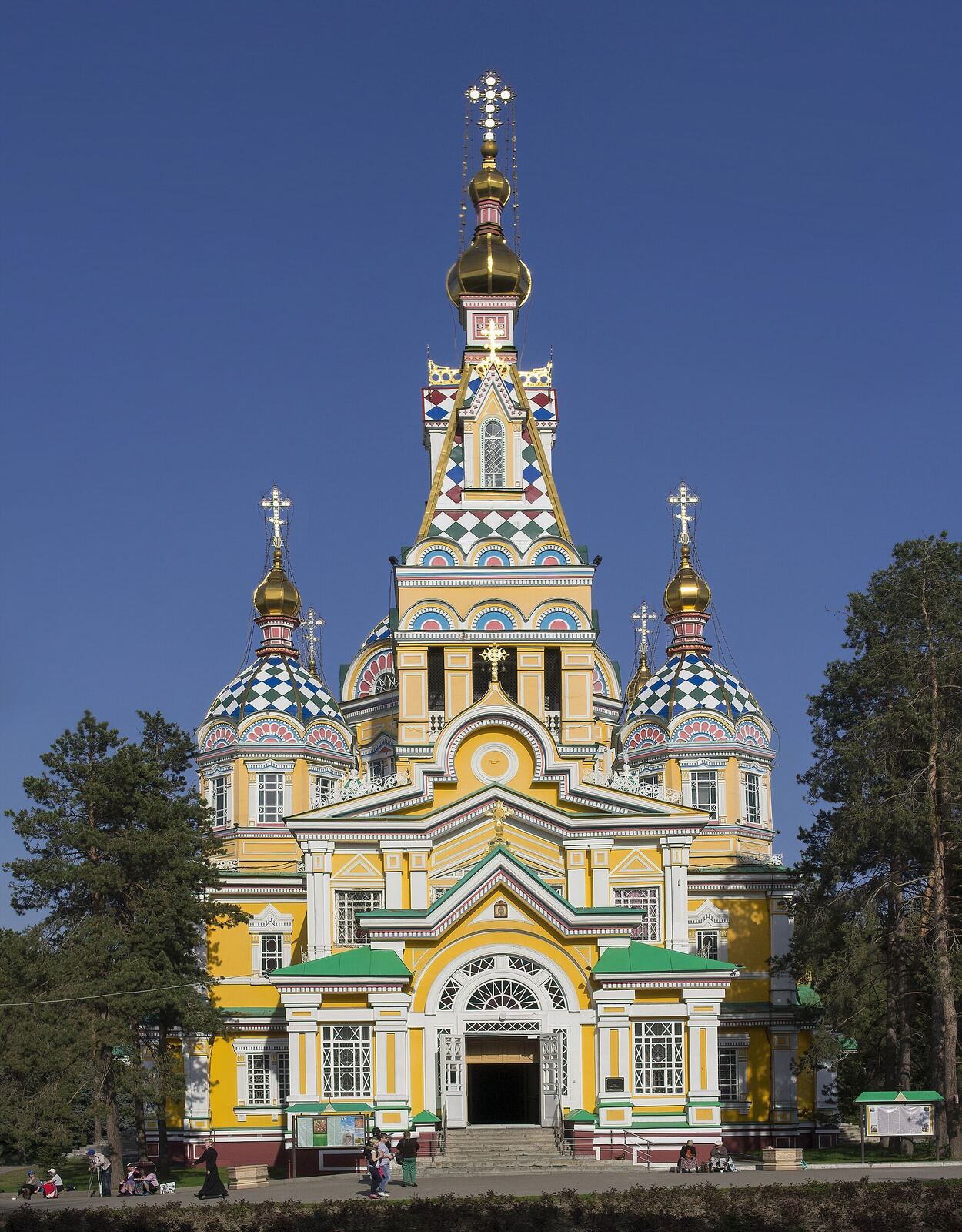
Wooden cathedral
Early-1900s timber architecture with tiered towers and domes — the park’s signature silhouette.
History
The park is a layered landscape — a garden-city setting, a wooden cathedral, and a 1970s memorial ensemble — that rewards a slower look.
The setting
The park’s character comes from how its pieces were arranged, not from a single building.
The park began as a garden-city green space in the early 20th century, the same moment that produced the wooden Ascension Cathedral. Tree-lined avenues and open lawns give the memorials a calm frame.
The commemorative layer was added later: the Glory Memorial opened in 1975 (per the city administration), with the Eternal Flame as part of the remembrance ensemble. The result is a coherent walk from tranquil gardens to solemn monument.
Key elements
Early-1900s timber architecture with tiered towers and domes — the park’s signature silhouette.
Sculpted 1975 ensemble that anchors the park’s meaning as a place of remembrance.
A continuously burning memorial fire within the same ensemble.
Planted paths and open ground that separate the contemplative monument from the lively city beyond.
Reading the park
Approach from the gardens, meet the cathedral, then move to the memorial and flame. The shift in mood — from green calm to solemn remembrance — is the park’s real “architecture.”
FAQ
As a garden-city green space in the early 20th century; the city dates the present memorial name to 1942 and the Glory Memorial to 1975.
A wooden Russian Orthodox cathedral with tiered towers and domes, built in the early 1900s.
The Glory Memorial opened in 1975, with the Eternal Flame as part of the ensemble.
Yes — the sequence from gardens to cathedral to memorial is the park’s defining experience.
Related guides
Factual claims on this page were last reviewed 10 November 2026. Listings such as opening hours, ticket terms, transport and venue access change; confirm with the operator or official source before you travel.